
1. Introduction
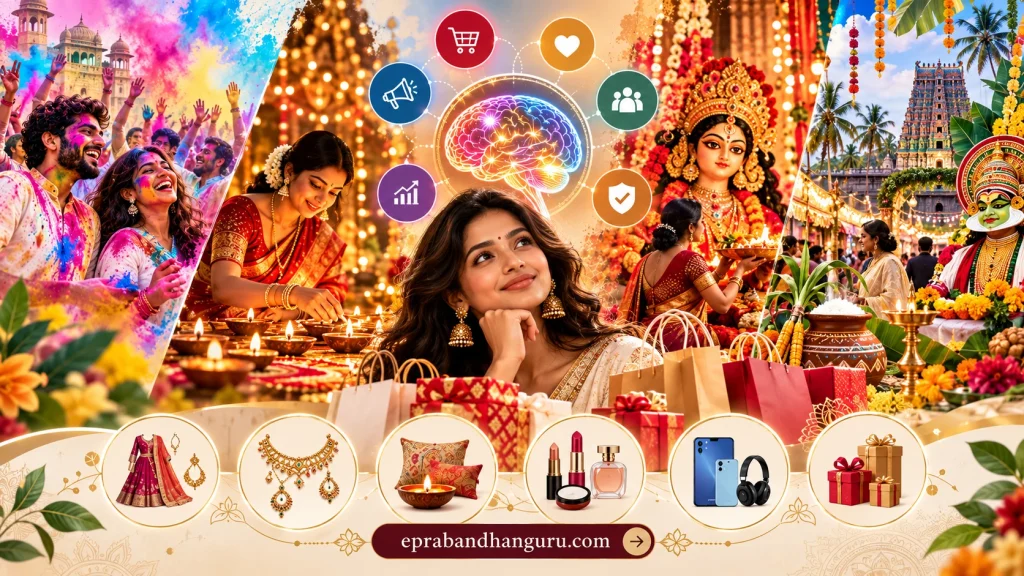
You come back with the diya, two kurtas, a speaker, and sweets for six families. What just happened?
Your wallet did not suddenly break. Your brain did what it always does at festival time. It got excited. It remembered old celebrations. It felt the pull of family, ritual, and “now or never” offers. And brands know it.
This is where neuromarketing comes in. It studies how attention, emotion, and memory shape what we buy. In this blog, we use that lens on three things that matter a lot in India: festival buying, regional ads, and brand trust.
If you are new to the idea, start with our guide on how brands read your brain. Then come back here.
1.1. Quick Answer: What Matters Most
|
Area |
What Indian data shows |
Neuromarketing idea |
Brand Lesson |
|
Festival buying |
Most shoppers plan to spend more, and many buy close to the festival |
Emotion and time pressure speed up decisions |
Be early, be emotional, make buying easy |
|
Regional ads |
Local-language content wins more trust and engagement |
Familiar words are easier for the brain to process |
Localise, do not just translate |
|
Brand trust |
Trust grows with familiarity and local relevance |
The brain feels safe with what it knows |
Stay consistent and show up locally |
1.2. A Quick Honesty Note
Before we go further, here is something worth saying out loud.
Most big brain-scan studies of shoppers come from Western countries. Public data on how Indian shoppers’ brains respond is much thinner.
So this blog does something simpler. It takes real Indian survey data and looks at it through well-known neuromarketing ideas. Think of it as a smart lens, not a lab result.
2. Part 1: Festival Buying
2.1. Why Festivals Switch On the Shopping Brain
Brain science suggests that strong emotion helps us remember and act. Add a ticking clock, like “sale ends tonight,” and decisions get faster. That is a powerful mix for any brand.
2.2. What the Numbers Say?
- According to InMobi’s festive report, covered by Storyboard18, 77% of festive shoppers plan to raise their budgets. Three in five plan to spend more than ₹10,000.
- The same research found that 60% shop within a month of the festival. About 29% shop just one week before, or less. Apparel, jewellery, and grocery lead the list, as reported by MediaBrief.
- Hansa Research found that 82% of people feel excited about the season. Diwali is the most widely celebrated festival in its survey.
- When asked what they want from festive marketing, 43% chose discounts and bundles. Another 35% chose cultural storytelling and emotional ads.
2.3. Four Shopper Mindsets
A 2026 study by Saarva, reported by Business Standard, found four common mindsets:
- Price Comparers (52%) hunt for the best deal
- Early Planners (36%) plan well ahead
- Budget Stretchers (15%) go over the budget they set
- Impulse Buyers (13%) decide at the last minute
These groups overlap, so one person can be more than one type. A single shopper may plan early for gold and impulse-buy sweets.
2.4. Intent Is Not the Same as Spending

Here is a twist. Not every survey agrees.
LocalCircles estimates that urban households will spend about ₹1.97 lakh crore this festive season. That is 6% lower than the ₹2.10 lakh crore estimated for 2025. The details are in Outlook Business. It also says 83% of households planning purchases expect to use savings, at least in part.
So what is going on? People feel excited and say they will spend more. But real wallets can be tighter. Shoppers may buy fewer items, or pick cheaper ones.
For brands, the lesson is clear. Festive excitement is high, but festive caution is real too.
2.5. What Brands Can Learn
- Reach early planners first. Make it easy for them to decide ahead of time.
- Tell a story, not just a price. Emotion helps people remember you.
- Remove friction. At the last minute, a slow checkout loses the sale.
- Respect the budget. Bundles and clear value feel safer than flashy claims.
3. Part 2: Regional Ads
3.1. Language Is a Trust Signal
The numbers back this up:
- A widely quoted figure says 88% of Indian internet users are more likely to engage with ads in their native language. Exchange4media reports brands seeing big jumps in engagement from vernacular ads, especially in Tier 2 and Tier 3 cities.
- JustWords notes that regional content can bring 1.5 to 2 times more engagement than English content. It also says over 60% of YouTube India watch time now comes from regional language videos.
3.2. Why Your Mother Tongue Works
Neuromarketing offers a simple idea here: ease. The brain likes things it can process quickly. Words in your first language need less effort.
Research on bilingual people also suggests that feelings often hit harder in the language you grew up with. A line in Tamil or Bengali may stir more emotion than the same line in English.
For a brand, that means fewer mental steps between seeing the ad and feeling something.
3.3. Localise, Do Not Just Translate
It rarely works. People in smaller towns often speak in everyday, local ways, not in textbook language. A direct translation can sound stiff, or even funny.
Better habits include:
- Use local expressions and humour. Hire writers who live the language.
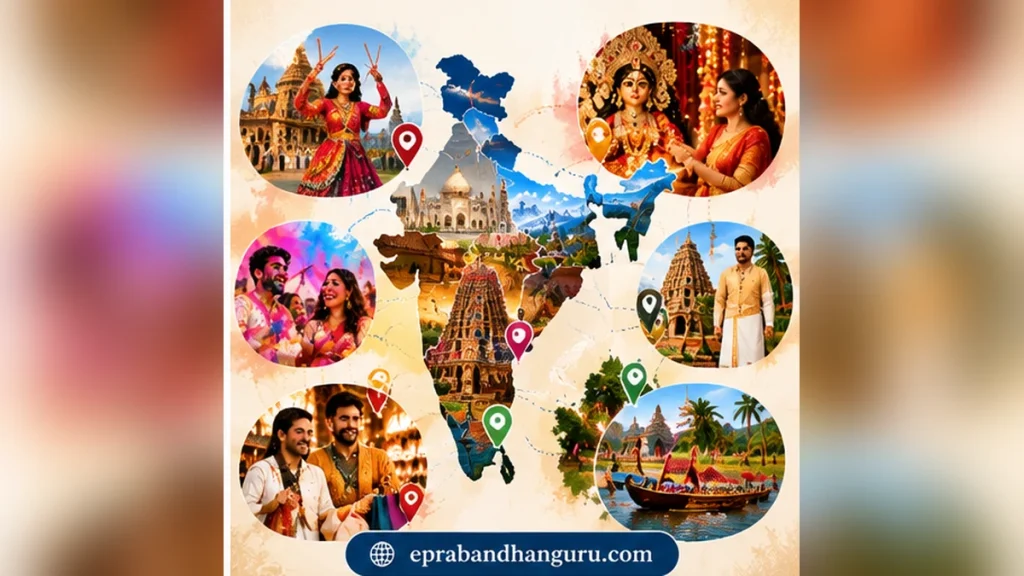
- Match regional festivals. Onam, Pongal, Bihu, Durga Puja, and Ganesh Chaturthi each have their own mood and colours. A pan-India calendar misses them.
- Show local faces and places. People notice when an ad feels like their street, not someone else’s.
- Work with regional creators. They already hold the audience’s trust.
4. Part 3: Brand Trust

4.1. Why Trust Is Different in India
Trust is not only about product quality. It is also about who recommends it, how long it has been around, and whether it feels close to home.
A few signals from recent research:
- The 2026 Edelman Trust Barometer India report says India remains a relatively high-trust country. But nearly half of people prefer to trust those who think like them, share similar values, or read the same media. So trust is strong, yet it is getting narrower.
- Kantar BrandZ India found that brands improving both their unique value and their relevance delivered 36% extra brand value growth.
Boston Brand Media reports a 2024 Kantar study in which 69% of Indian consumers said they trust brands that invest in local jobs, infrastructure, or education. Treat this as a reported figure, since we could not check the original study.
4.2. What the Brain Likes: Familiar and Safe
Neuromarketing suggests a simple rule. The brain relaxes around what it knows. A familiar logo, a repeated jingle, or a face you have seen many times feels safe.
That is why consistency matters so much. Changing your look, tone, and message every season breaks the feeling of familiarity.
4.3. Trust Cues That Matter
- Family word of mouth. In many homes, a trusted elder’s opinion counts for a lot.
- Local roots. A brand that supports its community feels like a neighbour.
- Honest claims. One broken promise can undo years of work.
- Clear service. Easy returns and a real person to talk to build calm.
5. Putting It All Together: 5 Lessons for Marketers
- Plan for the early shopper and the last-minute shopper. They are often the same person at different times.
- Lead with emotion, then back it with value. Story first, offer second.
- Speak the local language, truly. Localise the words, the humour, and the festivals.
- Build trust slowly and protect it fast. Be consistent, local, and honest.
- Test before you spend. Simple eye tracking or short surveys can show what people notice. Our guide to neuromarketing tools explains which tool fits which budget.
6. What This Means for You as a Shopper
Knowing the tricks helps you stay in charge. A few easy habits:
- Make a list before the festival. Stick to it.
- Wait 24 hours on big, non-urgent buys. Real wants survive the wait.
- Check the real discount. Compare the final price, not the crossed-out one.
- Notice emotional triggers. Music, countdown timers, and “only 3 left” tags are built to speed you up.
Be careful with permissions. Apps ask for location, camera, and contacts. Think before you tap “allow.” We explain why in Personal Data: The New Currency of the Digital Age.
7. Ideas for Students and Research Projects
If you study marketing or psychology, this topic is full of ready project ideas:
- Compare how people react to a Diwali ad in Hindi versus a regional language, using a short survey on recall and trust
- Run a small eye-tracking test on festive website banners and see where shoppers look first
- Survey shoppers on what they prefer: discounts, stories, or both
- Study how family opinion shapes gifting choices in your city
These are exactly the mixed skills we covered in Skills for 2030: Preparing Students for Future Careers.
One last note on ethics. Brands should be clear about how they collect and use shopper data. India now has a data protection law, the Digital Personal Data Protection Act of 2023. Good brands treat privacy as part of trust, not as a legal chore.
Quick FAQ
What is neuromarketing in simple words? It is the use of brain and body signals, along with behaviour science, to understand how people react to ads, prices, and products.
Does neuromarketing work on Indian consumers? The core ideas, like attention, emotion, and memory, apply to everyone. But culture, language, and family shape how they play out. Public brain-based research on Indian shoppers is still limited, so brands also rely on surveys and local testing.
Why do Indians spend more during festivals? Strong emotions, family traditions, gifting customs, and attractive offers all come together. Many shoppers also plan to raise budgets, although actual spending can be more careful than intent.
Are regional language ads really better? Many studies suggest they earn more trust and engagement, especially outside the big metros. But they work best when they are properly localised, not just translated.
Conclusion
Neuromarketing does not turn Indian shoppers into puzzles. It simply helps explain what we already feel. A festival rush. A line in our own language that makes us smile. A brand we trust because it has always been there.
For brands, the message is clear. Show up early. Tell a real story. Speak like a neighbour. And protect trust like it is the most valuable thing you own, because it is.
For shoppers, the message is just as simple. Enjoy the festival. Enjoy the lights. But keep one small question in your pocket: Did I choose this, or did the moment choose it for me?
Sources
- Storyboard18: 77% of festive shoppers raise budgets as buying moves closer to the season
- MediaBrief: India festive shopping trends 2026
- BestMediaInfo: 95% set to spend more this festive season, 67% to raise budgets by 25% or more
- Business Standard: Urban Indians Set to Spend More This Festive Season, But on Fewer Things: Saarva Study
- Outlook Business: Urban India Is Turning To Savings To Fund Its Festive Shopping
- Lapaas Voice: India Festive Spending to Fall 6% to ₹1.97 Lakh Crore in 2026, Survey Finds
- Exchange4media: Vernacular advertising sees 2x growth in engagement rates
- JustWords: Why Regional Language Content Is the Future of Marketing in India
- Edelman: 2026 Edelman Trust Barometer, India report
- Kantar: BrandZ Most Valuable Indian Brands
- Boston Brand Media: The State of Brand Trust in 2025: Global Insights from Recent Studies
Note: Festival figures come from self-reported consumer surveys by marketing and research firms (InMobi, Hansa Research, Saarva, LocalCircles). They use different samples and methods, so they do not always agree. The “88% prefer native-language ads” figure is widely repeated across industry sites, and the original study is hard to trace, so it is presented as a trend signal. The 69% local-investment trust figure is a secondhand report of a Kantar study and could not be checked at the source. Links between brain science and Indian shopping behaviour are an interpretive lens, since public brain-scan research on Indian consumers is limited.